
HOW TO MINIMIZE AC VENT COVER CONDENSATION DAMAGE
COMPOSITE VENT COVERS, AIR DIFFUSERS, REGISTERS, AND GRILLES REDUCE VENT CONDENSATION.
AC vent condensation can develop in high Heat Index environments due to climate or
weather conditions, and in hot and humid or steamy surroundings like kitchens,
bathrooms, indoor pools, gyms, spas, etc.
Non-metal, composite-made AC vent covers minimize the risk of AC vent cover
condensation by up to 95% compared to metal vent covers (steel and aluminum).
See the Intertek Report here.
Five AC Vent Cover Condensation Types of Damage You Need to Prevent:
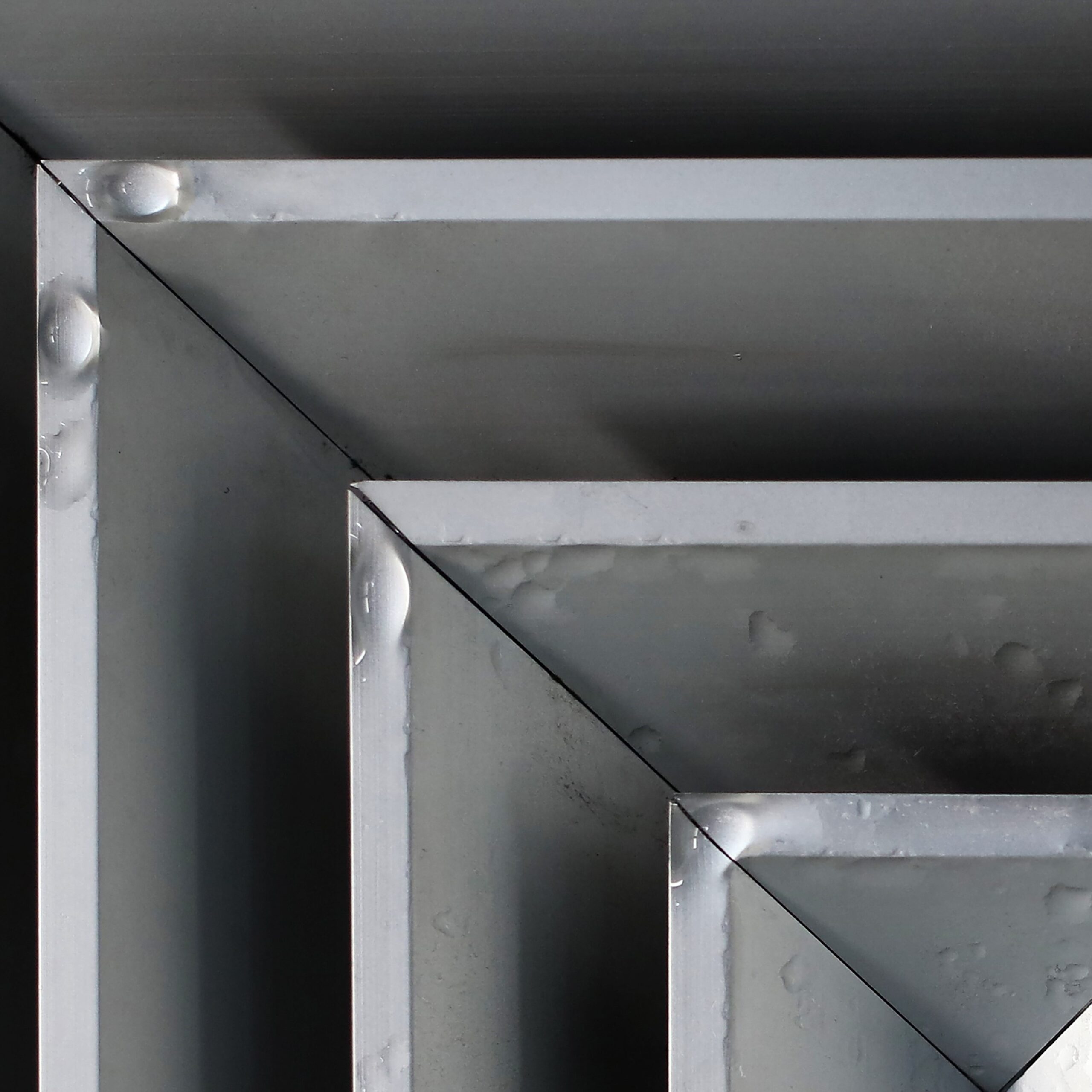
CONDENSATION-CAUSED DROPLETS
Condensation on a vent cover can be the result of a significant difference in temperatures between the
cold air coming from the air conditioning unit and warmer air in the room due to warm weather. Metal vent
covers are highly susceptible to temperature differences and therefore tend to develop droplets.
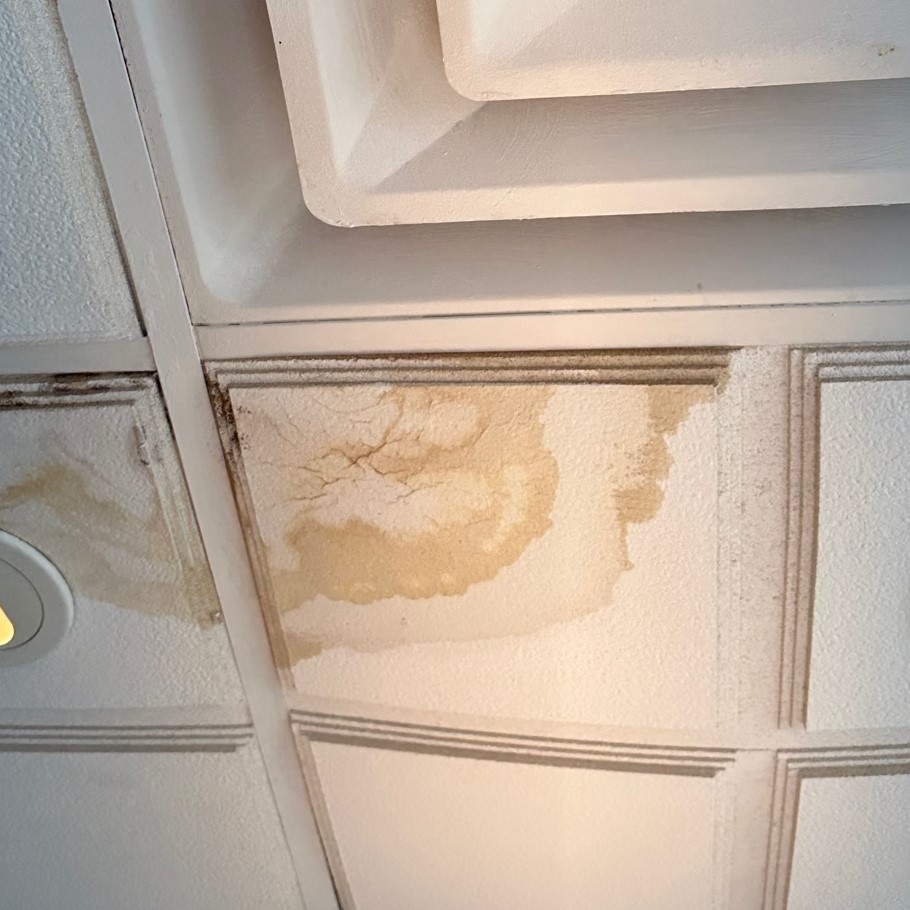
CONDENSATION-CAUSED STAINS
Wall and ceiling dampness stains, caused by vent cover condensation, are like throwing a significant part
of your investment in aesthetic design down the drain. Water damage causes dampness stains around
the vent covers up to a point where you have to shut down your air conditioning when you need it the
most.
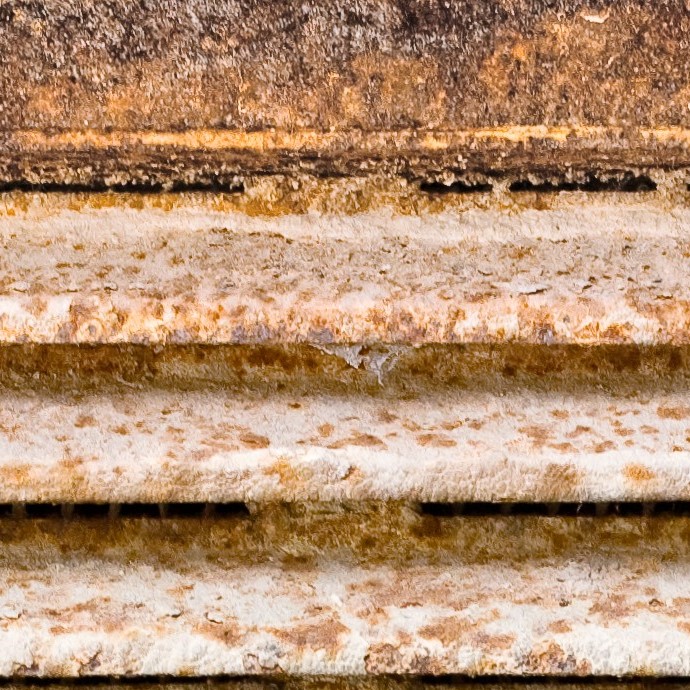
CONDENSATION-CAUSED RUST
Non-metal vent covers will never experience rust formation, thereby enhancing the overall durability and
longevity of HVAC systems. This is a game-changer as it ensures better performance and reduces
maintenance costs over the long term.
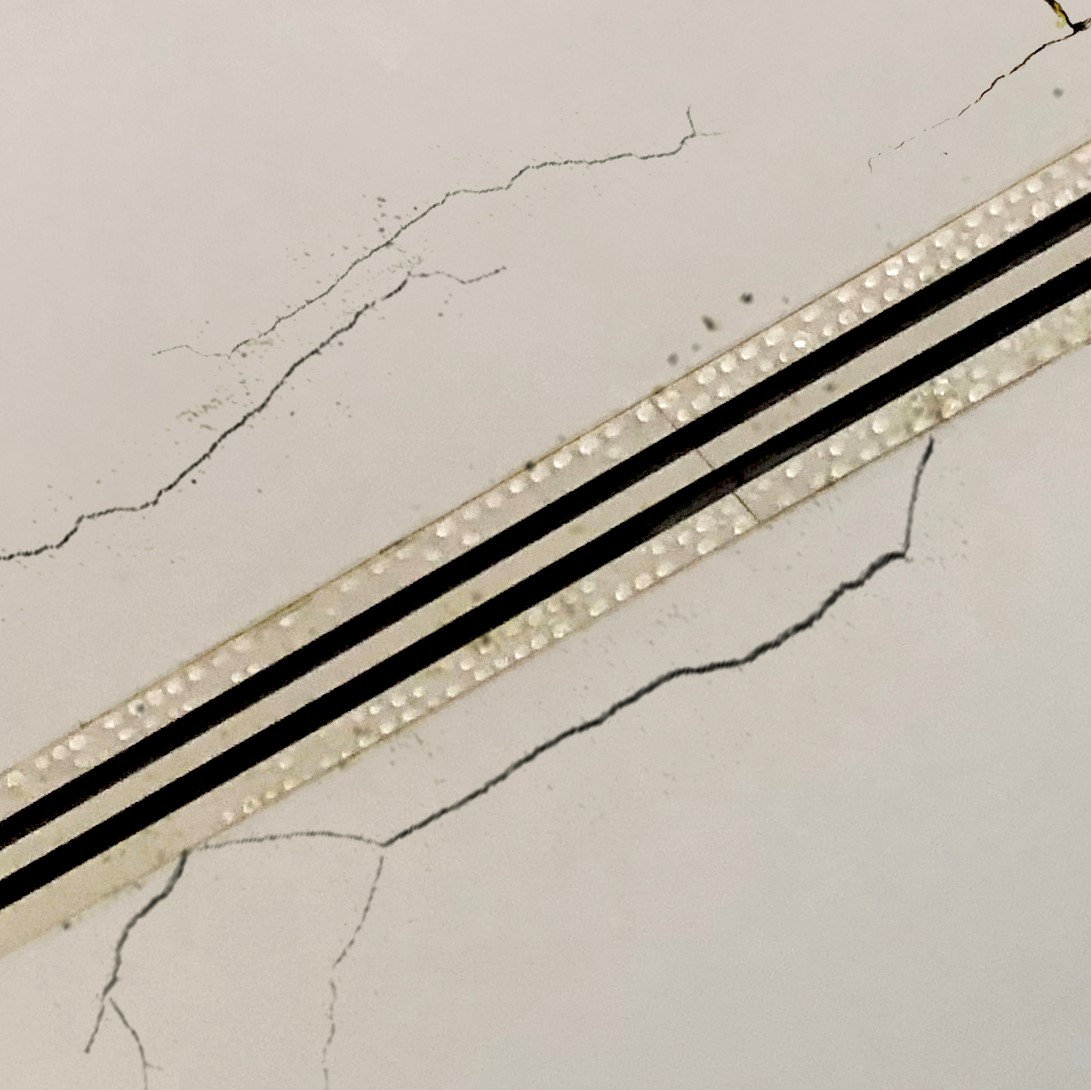
CONDENSATION-CAUSED CRACKS
Cracks and other structural defects can be caused by condensation moisture. So don’t wait for that kind
of deformation deterioration to happen.
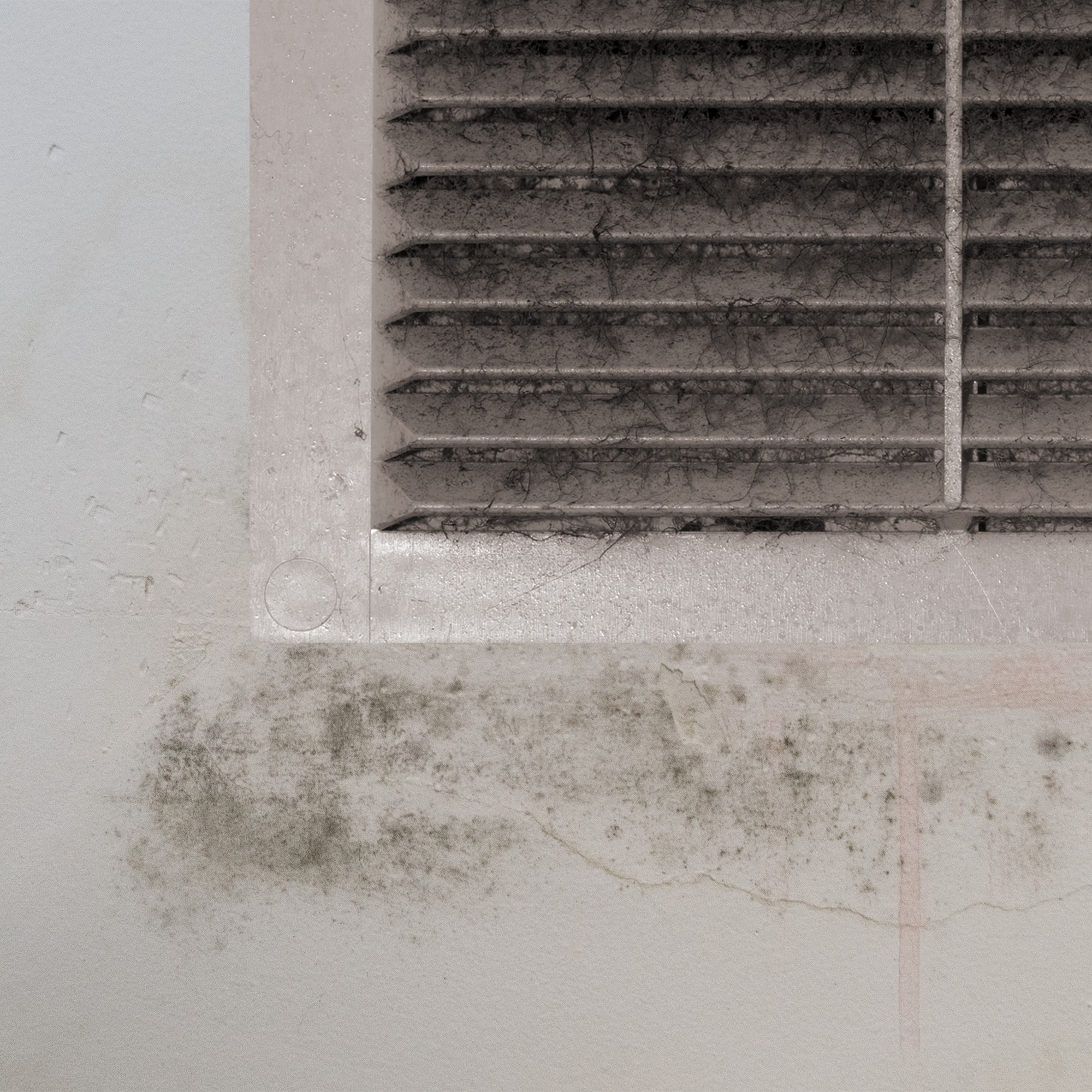
CONDENSATION-CAUSED MOLD
Condensation can become a breeding ground for mold, which can drastically deteriorate air quality and
pose a substantial health risk, including respiratory problems and allergic reactions.
NO METAL – NO CRY
The last thing you want to do when renovating and, of course, when starting a new build is to install metal
vent covers. Whether they are aluminum, steel, or any other kind of metal, you might end up crying,
especially if your project is located in a hot and humid area. Now we know that summers are getting
hotter everywhere, so mold and cracks around those metal vent covers will make you cry as many

COMPOSITE SMART MATERIAL
Invi Air’s complete line of products is made from an innovative, proprietary non-metal composite material
that has been shown to improve HVAC system performance significantly.
Invi Air’s composite material is moisture-resistant, durable, and fire-retardant, with an ASTM E84 Class A
rating, and is CARB II compliant. The material on the vent cover’s flat surface can be painted or finished
to blend perfectly with gypsum, acoustical, and wood ceilings.
Compared to metal, the composite material has a significantly lower response to temperature change,
reducing condensation on the vent cover by up to 95%.
Invi Air uses a certified sustainable composite material, which has no carbon emissions footprint (“Green”
material). This represents a huge environmental advantage over all types of metal (steel or aluminum),
which necessarily have a substantial carbon emissions footprint.